10 Best Incontinence Pads for Adults Wholesale Buying Guide
Choosing the right products for wholesale distribution requires more than comparing prices. This guide examines 10 best Incontinence Pad options for adults, focusing on absorbency, comfort, fit, packaging, and supply reliability. Buyers must consider daytime use, overnight protection, light leakage, and different body shapes. A dependable pad should stay in place during walking, sitting, and routine care. Soft top layers can reduce friction, while breathable materials may support greater comfort during extended wear. No pad suits everyone.
Wholesale decisions also involve practical details. Review absorbency test methods, product dimensions, adhesive strength, carton quantities, minimum order requirements, and delivery schedules. Ask suppliers for samples before placing a large order. A low unit price can look attractive, yet it may hide weak packaging, inconsistent sizing, or high waste. That matters. Care facilities, pharmacies, and distributors need products that users can trust repeatedly. Supplier experience, transparent specifications, responsive communication, and appropriate quality documentation can reveal operational reliability. However, marketing language is not proof. Check performance data and verify all compliance claims for your target market. This guide offers a useful starting point, not a substitute for product testing or professional evaluation. Some recommendations may change when user needs, climate, or distribution conditions differ. That is worth acknowledging. A thoughtful buyer compares comfort with protection, cost with consistency, and convenience with real user feedback before choosing a wholesale partner.
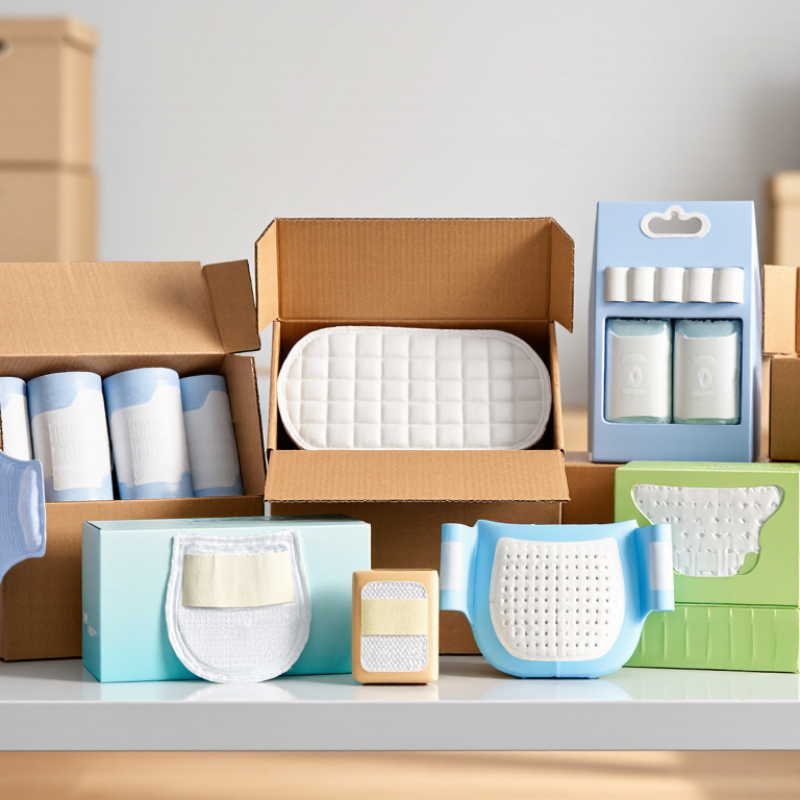
Understanding Adult Incontinence Pad Types and Absorbency Levels
Choosing adult incontinence pads wholesale starts with understanding the product type, not the carton price. Bladder leaks vary from occasional drops to heavier, repeated wetness. A thin liner suits light, predictable leakage during errands. Shaped pads offer wider coverage and stronger side protection for moderate leakage. They usually work with close-fitting underwear.
For heavier leakage, high-absorbency pads have a larger core and longer design. Some include elastic edges to reduce side leaks. Overnight users may need extra length, a wider back, and a softer surface. Booster pads can increase capacity, but they should not block the main pad’s leakage barriers. Pull-on products are different and may suit users who need full underwear-style coverage. Bed and chair protectors are useful additions, not substitutes for a correctly fitted pad.
Absorbency labels are not perfectly standardized. One supplier’s “heavy” level may differ from another’s. Request independent test data when available, then compare real usage, fit, and replacement frequency. Check core materials, breathable backing, adhesive strength, odor control claims, and skin-contact softness. A lower unit price can mislead if users change pads twice as often. Wholesale buyers should order samples before committing to large quantities. Try them during walking, sitting, and overnight use. No chart replaces a trial. Record leakage, comfort, and disposal needs from actual users. Even experienced buyers can miss sizing problems when relying only on specifications.
Key Features to Compare Before Buying Incontinence Pads Wholesale
When buying incontinence pads wholesale, compare performance before price. The World Health Organization estimates that more than 200 million people live with urinary incontinence worldwide. Demand is broad, but user needs differ sharply.
Check absorbency claims against standardized testing, not only package language. ISO 11948-1 measures total liquid absorption in disposable incontinence products. However, laboratory capacity does not equal real-life protection. Ask suppliers for test reports, liquid type, testing time, and leakage results. Review the core structure, acquisition layer, backing material, and adhesive strength. A soft, breathable backing can reduce heat during long wear. Anatomical shaping matters too. Poor fit causes side leakage, even with a strong absorbent core. Compare waist sizes, pad lengths, and user weight ranges. Wholesale buyers should also inspect carton compression, moisture barriers, batch consistency, and shelf-life labeling.
Tips: Request samples from at least three production batches. Test them with realistic liquid volumes and movement. Include sitting, walking, and overnight trials. Do not trust one impressive sample. Track leakage, skin comfort, odor control, and removal time. A simple scorecard helps compare suppliers fairly. Some buyers overlook packaging damage. That mistake becomes expensive during storage and delivery. The 2024 Continence Product Advisor guidance also emphasizes matching products to individual leakage patterns and body shape, rather than choosing absorbency alone. That point deserves more attention.
How to Evaluate the 10 Best Incontinence Pads for Adults
When evaluating the 10 best incontinence pads for adults, begin with the wearer’s daily routine. A pad for light leakage may fail during a long work shift or overnight use. Check the stated absorbency, but treat it as a guide rather than a guarantee. Fit matters. Measure comfort around the leg openings, waist, and adhesive area. A pad should stay in place without leaving deep marks or causing skin friction.
Review the materials closely. Soft, breathable layers can help reduce heat and moisture against the skin. Look for a fast-drying surface, secure backing, and clear wetness indicators. Ask whether the product remains stable when the wearer walks, sits, or bends. A practical test involves wearing one pad for several hours and checking for leaks, bunching, odor, or damp edges. Do not trust packaging alone.
Wholesale buyers should compare carton sizes, product consistency, shelf life, and packaging protection. Request samples from several production batches when possible. One sample can perform well, while another may feel different. That is an uncomfortable but important possibility. Consider disposal needs, storage space, and delivery reliability before placing a large order. A lower unit price may become expensive if workers report discomfort or users need frequent changes. Keep notes from real wear tests, including time used, activity level, and skin response. Small details often reveal more than a polished product description.
Wholesale Pricing, Packaging, Minimum Orders, and Supplier Terms
10 Best Incontinence Pads for Adults Wholesale Buying Guide
Wholesale pricing should be judged by usable protection, not the lowest unit cost. I compare absorbency, pad dimensions, adhesive strength, and skin-friendly materials before requesting a quotation. A low price can mislead me when damaged packaging or high freight costs appear later. Always calculate the landed cost per pad.
Packaging affects storage, transport, and customer confidence. Standard inner packs may reduce costs, while printed cartons support retail presentation. Ask for carton dimensions, units per case, barcode options, and moisture protection. Samples matter. A product can look suitable online but feel bulky during movement. I sometimes overlook this detail.
Minimum order quantities vary by size, absorbency level, and packaging design. Confirm the MOQ for trial orders and repeat purchases separately. Request tiered pricing at realistic volumes, not only large container quantities. Supplier terms should clearly state payment stages, production lead time, inspection options, and procedures for damaged goods. Clarify whether custom packaging requires a deposit or separate tooling charge. Written specifications reduce misunderstandings.
Reliable suppliers provide consistent samples, batch information, material details, and responsive communication. Ask how they manage quality checks before shipment. A practical agreement should also cover delivery terms, documentation, replacement policies, and forecast changes. I prefer modest initial orders, although this may produce a higher unit price. That trade-off can reveal quality problems before inventory grows.
10 Best Incontinence Pads for Adults: Wholesale Buying Guide
Typical wholesale price benchmarks for adult incontinence pads, shown per 100 pads. Prices vary according to absorbency, materials, packaging format, order volume, customization, and shipping terms.
Light and moderate absorbency pads generally have lower unit costs, while maximum-absorbency and overnight products require more absorbent material and advanced leakage protection. Buyers should also compare minimum order quantities, carton configuration, private-label packaging fees, sample charges, lead times, and payment terms before placing a wholesale order.

