2026 How to Choose the Best Dental Bridge Restorations?
Choosing the right dental bridge restorations is essential for long-term oral health. A dental bridge is a common solution for missing teeth. It helps restore function and aesthetics. However, not all bridges are created equal. Various factors influence the best choice for each individual.
When considering dental bridge restorations, one must evaluate material types, cost, and patient comfort. Options include porcelain, metal, or a mix of both. These materials differ in durability and appearance. Patients may face challenges selecting the material that best fits their lifestyle and dental needs.
Moreover, the expertise of the dental professional plays a significant role. Experienced dentists can offer valuable insights. They can help patients navigate through potential options and pitfalls. Understanding these aspects is crucial. A well-informed choice can lead to better satisfaction and dental health outcomes.
Understanding the Types of Dental Bridges and Their Applications
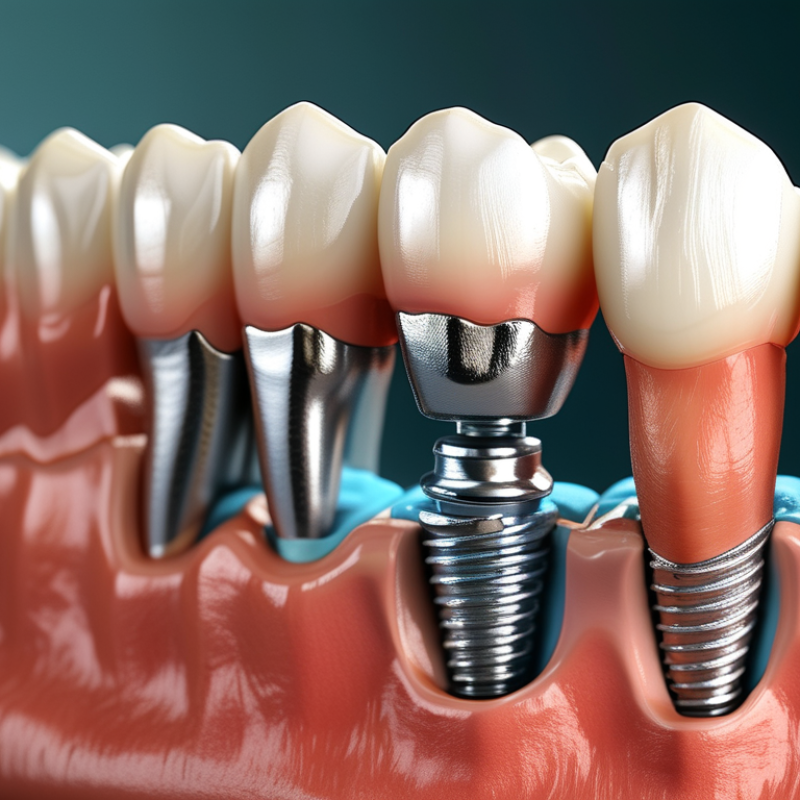
When considering dental bridges, it's essential to understand the different types available. Traditional bridges consist of two crowns anchoring a false tooth in between. They are the most common choice, typically used when there are adjacent natural teeth. According to the American Dental Association, traditional bridges can last over 10 years with proper care.
Another option is the cantilever bridge. This is utilized when there is only one adjacent tooth available for support. While this type can be less stable than a traditional bridge, it serves well in specific cases where space is limited. Studies indicate that cantilever bridges have a slightly lower longevity, averaging around 5 to 7 years. The risk of complications, such as tooth decay, is heightened if oral hygiene is neglected.
Maryland bridges, also known as resin-bonded bridges, are a less invasive alternative. They use a metal or porcelain framework bonded to the back of adjacent teeth. This design preserves healthy tooth structure. Research shows that Maryland bridges can be a viable short-term solution, but their durability may be affected by the patient's bite and overall dental health. Choosing the right type of dental bridge involves weighing these factors carefully. Each option has its pros and cons, and understanding them can aid in making an informed decision.
Evaluating the Material Options for Dental Bridge Restorations
When considering dental bridge restorations, material options are crucial. Various materials offer different benefits for both functionality and aesthetics.
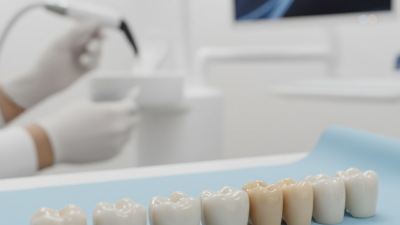
Common choices include porcelain, metal, and resin. Porcelain provides a natural appearance, blending well with existing teeth. However, it is less durable than metal options.
Metal bridges, often made from gold or other alloys, offer strength but may not match the tooth color.
Resin, while affordable, may not have the longevity required for many patients. Some users report that resin bridges can wear down or discolor over time. It’s important to weigh the pros and cons of each material according to your lifestyle and dental health.
Consulting with a dental professional can provide insights into which material suits your needs best. They can evaluate your oral health and recommend the most suitable option.
Remember, an informed choice is key for long-lasting results. Take the time to research and reflect on what fits your life and expectations.
Key Factors Affecting the Longevity of Dental Bridges
When considering dental bridge restorations, longevity is crucial. Several factors affect how long a dental bridge will last. One key factor is the material used in the bridge itself. Dental bridges can be made from porcelain, metal, or a combination of both. Porcelain bridges blend well with natural teeth. However, they may not be as durable as metal bridges. Metal options generally offer better strength but may not match the aesthetic you desire.
Another important aspect is the skill and experience of the dentist. A well-placed bridge can significantly enhance its lifespan. This means choosing a knowledgeable professional who understands the nuances of dental restorations. Poorly executed procedures can lead to complications, including misalignment and discomfort. Such issues often arise when dentists lack proper training or experience with specific materials.
Furthermore, personal dental hygiene heavily influences the longevity of dental bridges. Regular brushing and flossing are essential. Neglecting oral care can lead to decay around the bridge, ultimately compromising its structure. Patients should really evaluate their daily habits and remain consistent. Reflecting on these factors can help in making a more informed decision regarding dental bridges.
Cost Analysis: Budgeting for Dental Bridge Restorations in 2026
When budgeting for dental bridge restorations in 2026, understanding costs is essential. The price can vary significantly based on the materials used and the complexity of the procedure. Typically, a dental bridge can range from $2,000 to $5,000. This wide range reflects different factors. High-quality materials, such as porcelain or ceramic, may increase costs, but they often provide better aesthetics.
Consider dental insurance coverage, if available. It might offset some of the costs. However, many plans have limitations. Patients should also account for additional expenses, such as consultations or follow-up visits. Unforeseen issues, such as needing a root canal before the bridge placement, can add to the expense, making it crucial to prepare for unexpected costs.
Researching local dental practices will help understand pricing trends in your area. Reading patient reviews may reveal insights into the experience and expertise of different providers. Prioritize a professional’s experience over the lowest price. The cheapest option isn't always the best. Quality work can prevent future problems and additional expenses. Balancing cost with quality remains a key consideration.
The Role of Dental Professionals in Selecting the Right Bridge for You
Choosing the right dental bridge restoration can be overwhelming. Dental professionals play a crucial role in guiding you through this process. They assess your oral health and discuss various options tailored to your needs. Their expertise ensures that you receive a restoration that not only looks natural but also functions optimally.
When considering a dental bridge, it's vital to seek a second opinion. Different professionals may have varied suggestions. Understand the pros and cons of each option presented to you. This knowledge can empower you to make an informed choice.
Remember to communicate openly with your dentist about your expectations. Discuss your lifestyle, budget, and any concerns you might have. Exploring these details will help in selecting a bridge that aligns with your needs. A collaborative approach often leads to better outcomes. Trust your dental professional, but don't hesitate to express your thoughts.