Ginseng Extract is a concentrated preparation made from the roots of ginseng plants. It is commonly sold as capsules, powders, liquid drops, teas, and functional beverages. The plant has a long history in traditional Asian medicine, where people used its roots for energy, stamina, and general wellness. Today, manufacturers may label products as Asian, American, or red ginseng, depending on the species and processing method. The differences matter because their chemical profiles are not identical.
Many products contain ginsenosides, which are natural compounds studied for their possible effects on fatigue, attention, immune activity, and blood sugar regulation. Evidence is promising in some areas, but it remains uneven. Not every product works the same way. Extract strength, preparation methods, and personal health conditions can change the experience. A person might notice steadier energy, while another notices little difference. That uncertainty deserves attention.
It is not a magic remedy.
People often consider Ginseng Extract when seeking support during demanding workdays or periods of tiredness. However, it should not replace sleep, balanced meals, medical treatment, or professional advice. Some users may experience insomnia, headaches, digestive discomfort, or interactions with medicines, including certain diabetes or blood-thinning treatments. Product quality also varies, so a transparent label and independent testing are valuable signs. Readers should examine the evidence, check the serving instructions, and discuss regular use with a qualified healthcare professional. More research is still needed, especially for long-term use and specific medical conditions.
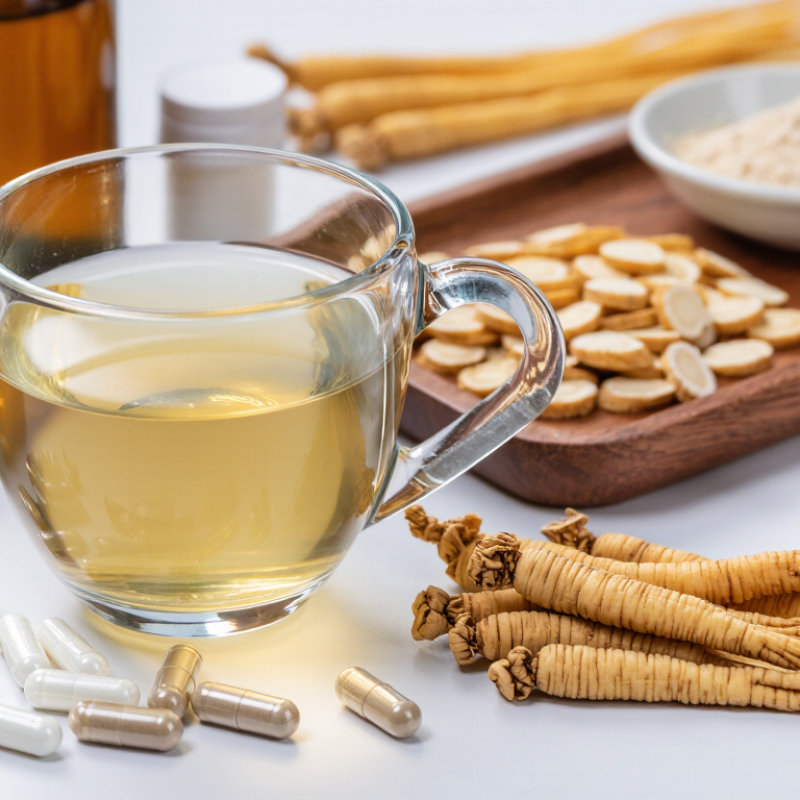
Ginseng extract is a concentrated preparation made from the roots of ginseng plants. Manufacturers usually wash, dry, and process the roots into liquid, powder, or capsules. The final extract may contain ginsenosides, which are natural compounds commonly studied in ginseng research. Their levels can vary widely between plant species, growing regions, root ages, and extraction methods.
That difference matters. Two products labeled “ginseng extract” may not have the same strength or chemical profile. The label can mislead. Reliable products should identify the ginseng species, plant part, extraction ratio, and standardized compound content. Without these details, comparing supplements becomes difficult.
People traditionally use ginseng for energy, mental focus, and general wellness. Modern studies have explored possible effects on fatigue, blood sugar regulation, and immune function. However, evidence remains mixed, and results may depend on the extract’s composition. It is not a magic answer. Some users report benefits, while others notice little change.
Ginseng can cause insomnia, headaches, stomach discomfort, or nervousness in some people. It may also interact with medicines, including drugs affecting blood sugar or blood clotting. Pregnant individuals, people with chronic conditions, and anyone taking medication should seek professional advice first. Careful product selection helps, but it does not replace medical judgment.
Reference amounts for adult Panax ginseng preparations
Ginseng extract is a concentrated preparation made from ginseng root. Its best-known active compounds are ginsenosides. Traditional monographs describe ginseng preparations for temporary fatigue and weakness, while clinical research has also examined physical performance, cognitive function, erectile dysfunction, and blood-glucose control. Results vary by extract type, dose, and individual health status.
The chart shows reference daily amounts reported for adult preparations, not a universal dosage recommendation. Extract strength varies according to the extraction process and the drug-extract ratio. Sources: European Medicines Agency and National Center for Complementary and Integrative Health.
Ginseng extract comes from the dried roots of Panax plants. Manufacturers usually clean, slice, and extract the roots with water, ethanol, or both. The liquid is then filtered, concentrated, and spray-dried into a powder. Processing temperature matters. Excessive heat may change delicate compounds.
Quality control focuses on ginsenosides, the best-known marker compounds. The United States Pharmacopeia recommends identity testing through chromatographic fingerprints and measuring characteristic ginsenosides. The World Health Organization also describes extraction, moisture, contaminants, and botanical identity in its ginseng monograph. Commercial extracts often declare total ginsenosides, commonly within a broad range of approximately 1.5% to 10%. That figure is not universal. Higher numbers do not automatically mean better results.
Tips: Check the Panax species, plant part, extraction solvent, and ginsenoside percentage. Look for batch testing for heavy metals, microbes, and pesticides. A certificate should show actual results, not only a quality promise. I would also question labels listing “standardized extract” without named marker compounds. Standardization improves consistency, but it cannot guarantee identical effects between people. The 2023 American Botanical Council guidance on botanical quality emphasizes identity and adulteration testing, which is easy to overlook. Store the powder away from heat, moisture, and direct light. It can degrade quietly.
Ginseng extract is a concentrated preparation made from ginseng roots. Its chemical profile depends on the species, root age, growing conditions, and extraction method. The best-known compounds are ginsenosides, also called saponins. They may influence cellular signaling, inflammation, and the body’s response to stress. However, ginseng is not one uniform substance. Different extracts can contain very different amounts of these compounds.
Ginseng also contains polysaccharides, which are complex carbohydrates studied for possible immune-related activity. Peptides, polyacetylenes, phenolic compounds, and small amounts of volatile oils add to its chemical profile. Researchers often examine these substances together rather than in isolation. That matters because an extract may work through several pathways. The evidence is uneven. Some studies suggest support for mental alertness, perceived energy, or glucose regulation, but results vary by product and participant.
Look at the label carefully. A reliable extract should identify the ginseng species and provide testing information for purity and ginsenoside content. “More” is not automatically better. That part is often misunderstood. People may also experience insomnia, stomach discomfort, headaches, or changes in blood sugar. Ginseng can interact with certain medicines, including some products affecting clotting or glucose levels. Professional advice is sensible for people with medical conditions, pregnancy, or regular prescriptions. Even careful explanations have limits, because human research does not always match laboratory findings.
| Compound or Extract Feature | What It Is | Potential Uses or Biological Role | Important Facts |
|---|---|---|---|
| Ginsenosides | A group of steroid-like saponins regarded as the principal marker compounds in many ginseng extracts. | Studied for possible effects on fatigue, stress response, immune signaling, inflammation, and cognitive function. | Different ginseng species, plant parts, ages, and extraction methods can produce substantially different ginsenoside profiles. |
| Ginsenoside Rb1 | A protopanaxadiol-type ginsenoside commonly detected in Asian and American ginseng roots. | Investigated in laboratory and human research related to nervous-system function, energy metabolism, and stress regulation. | Its concentration varies by species and extract preparation; research findings do not establish it as a treatment for disease. |
| Ginsenoside Rg1 | A protopanaxatriol-type ginsenoside frequently associated with Asian ginseng. | Studied for possible effects on alertness, memory, physical performance, and cellular stress responses. | Rg1 content is not uniform across products and may change during processing or heat treatment. |
| Ginsenoside Re | A naturally occurring ginsenoside found in the roots and leaves of several ginseng species. | Investigated for antioxidant, metabolic, cardiovascular, and neuroprotective properties. | Most evidence comes from preclinical studies, so human effects may not match laboratory findings. |
| Ginsenosides Rc, Rb2, and Rd | Protopanaxadiol-type saponins that contribute to the overall chemical profile of ginseng extract. | Studied in connection with inflammatory pathways, glucose metabolism, vascular function, and cellular protection. | These compounds are often present together, and their combined activity may differ from the effect of an isolated compound. |
| Ginseng Polysaccharides | Complex carbohydrate molecules found in ginseng tissues and transferred into some water-based extracts. | Investigated for effects on immune-cell activity and the gut–immune interface. | Polysaccharide content depends strongly on extraction temperature, solvent, plant part, and processing. |
| Polyacetylenes | A class of unsaturated compounds naturally present in ginseng roots. | Studied in laboratory research for antimicrobial, anti-inflammatory, and cellular-protective activity. | They can be sensitive to heat, oxygen, and storage conditions; clinical evidence is limited. |
| Phenolic Compounds | Plant compounds, including phenolic acids and related substances, that may occur in ginseng extracts. | Contribute to antioxidant activity and are being studied for their role in protecting cells from oxidative stress. | Antioxidant activity measured in a laboratory test does not necessarily predict a health benefit in humans. |
| Ginseng Extract | A concentrated preparation made by extracting compounds from ginseng roots, leaves, berries, or other plant parts using water, alcohol, or another solvent. | Commonly used in traditional practices and dietary supplements for energy, fatigue, concentration, and general wellness. | Extracts are not chemically identical: standardized extracts report selected marker compounds, while non-standardized extracts may vary considerably. |
| Traditional Wellness Uses | Historical uses of ginseng include supporting vitality, recovery, stamina, and resistance to everyday stress. | Modern research has examined fatigue, cognition, exercise performance, blood glucose, and immune-related outcomes. | Evidence is mixed and depends on the ginseng species, dose, duration, and health condition being studied. |
| Safety Considerations | Ginseng is generally tolerated by many adults when used appropriately, but side effects can occur. | Possible effects include insomnia, headache, digestive discomfort, and changes in blood glucose or blood pressure. | People taking diabetes medicines, anticoagulants, stimulants, or other prescription drugs should seek professional advice before use. |
Ginseng extract comes from the roots of Panax species, usually processed into powders, capsules, or liquid drops. Its key compounds are ginsenosides, which may influence inflammation, stress responses, and energy metabolism. Processing matters. Red and white ginseng can contain different ginsenoside profiles, so their effects should not be treated as identical.
Common uses include supporting mental alertness, exercise stamina, and general fatigue management. A systematic review of randomized trials reported possible improvements in fatigue, but the results were modest and inconsistent. The National Center for Complementary and Integrative Health also notes that evidence remains limited for many popular claims. Some people describe steadier afternoon energy. Others notice nothing. That gap deserves honesty.
Potential benefits may include small improvements in glucose control or immune response, but findings vary by extract, dose, and study length. The World Health Organization recognizes ginseng’s traditional role in supporting vitality, not as a guaranteed treatment. A 2023 Grand View Research report valued the global ginseng market at more than 2 billion US dollars, showing strong consumer interest rather than proven effectiveness. Side effects can include insomnia, headaches, or digestive discomfort. Ginseng may also interact with medicines, including some affecting blood sugar or clotting. Professional guidance is sensible, especially during pregnancy, chronic illness, or medication use. More research is still needed.
Ginseng extract is made from the roots of plants in the Panax family. It contains active compounds called ginsenosides. Their concentration can differ greatly between products. People commonly use ginseng for energy, mental alertness, immune support, or sexual health. Research remains mixed, and benefits may depend on the extract’s quality and the person’s health.
There is no universal dosage. Some adult studies have used 200 to 400 milligrams of standardized extract daily, but that range does not suit everyone. Check the label carefully. A healthcare professional should guide use when taking diabetes medicine, blood thinners, stimulants, or blood pressure treatment. Extra caution matters during pregnancy, breastfeeding, or before surgery. Children should not use it without medical advice.
Possible side effects include insomnia, nervousness, headache, stomach upset, diarrhea, and skin reactions. Take it earlier in the day if sleep becomes difficult. Stop using it and seek medical help for swelling, breathing problems, severe dizziness, or unusual bleeding. I would not assume that a “natural” label means harmless. Product testing can also be inconsistent, which makes dosage decisions harder. Evidence for long-term daily use is still limited, and that uncertainty deserves honest attention.