Register your office to receive a $50 credit towards your first case.

What Are the Top 10 Cosmetic Dental Restorations?

Cosmetic dental restorations are changing how patients repair damaged teeth and improve their smiles. Veneers, crowns, bonding, bridges, and tooth-colored fillings now combine appearance with practical function. Yet cosmetic treatment is not simply a beauty purchase. Dentists must examine enamel, gums, bite alignment, tooth strength, and long-term maintenance before recommending any procedure.

Grand View Research estimated the global cosmetic dentistry market at approximately USD 21.5 billion in 2023. It also projected strong growth through 2030. Fortune Business Insights reported a different market value and forecast, partly because companies define “cosmetic dentistry” differently. That disagreement matters. Market numbers can guide discussion, but they cannot predict whether one restoration will suit a particular patient.

Dr. Irwin Smigel, widely recognized as a pioneer of aesthetic dentistry, said, “Cosmetic dentistry is not just about improving a smile; it is about improving a person’s life.” His statement reflects the patient experience behind clinical statistics. A chipped front tooth may affect speech, photographs, meals, or confidence in a meeting. Sometimes, the smallest visible defect creates the largest personal concern.

This guide examines the top 10 cosmetic dental restorations through a practical lens. It considers appearance, durability, treatment complexity, costs, and maintenance. It also asks uncomfortable questions. Is the restoration medically necessary? Will it preserve healthy tooth structure? Could a less invasive option work?

The answers are not universal. Evidence, diagnosis, and honest communication should lead the decision. A polished smile is valuable, but a stable, healthy mouth matters more.
What Are the Top 10 Cosmetic Dental Restorations?

What Cosmetic Dental Restorations Are and How They Improve Smiles

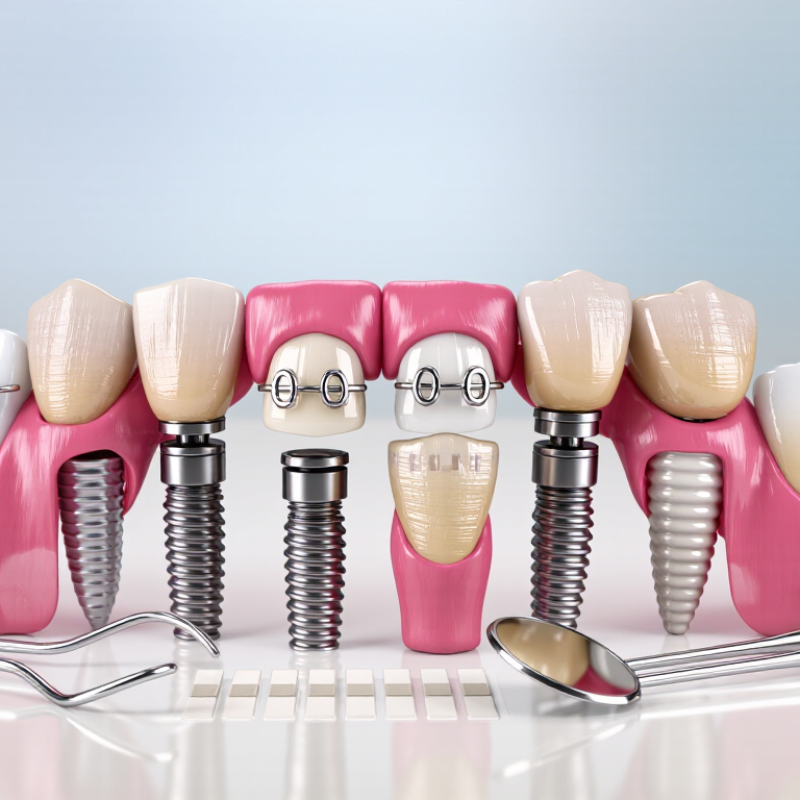
Cosmetic dental restorations repair or enhance teeth while preserving a natural-looking smile. The ten commonly discussed options include whitening, tooth bonding, porcelain veneers, crowns, inlays, onlays, bridges, dental implants, dentures, and gum contouring. Clear aligners are also often considered when tooth position affects smile appearance. Each option addresses a different concern. Bonding can hide a small chip in one visit. Crowns may protect a weakened tooth. Implants can replace missing teeth with a stable, functional foundation.

These treatments improve smiles by changing color, shape, spacing, or visible tooth structure. A dentist should examine the teeth, gums, bite, and existing restorations before recommending care. Digital photographs and dental imaging may support this assessment. Healthy gums matter. Cosmetic work cannot reliably correct untreated decay or active gum disease. A careful plan also considers enamel thickness, facial proportions, speech, and chewing habits. The brightest result is not always the most natural result.

Maintenance affects how long improvements remain attractive. Patients may need professional cleanings, night guards, dietary adjustments, or replacement work over time. Whitening can fade. Bonding can stain or chip. Veneers and crowns can still fail if a person grinds heavily. That detail is easy to overlook. Even experienced clinicians must balance appearance, strength, budget, and future treatment. A slightly imperfect smile may be safer than removing too much healthy enamel for a dramatic change.
The Ten Leading Types of Cosmetic Dental Restorations

What Are the Top 10 Cosmetic Dental Restorations?

The Ten Leading Types of Cosmetic Dental Restorations

Cosmetic restorations can brighten smiles, rebuild damaged teeth, and improve chewing comfort. Still, “top” depends on tooth structure, bite, budget, and long-term maintenance.

The CDC’s National Health and Nutrition Examination Survey, 2017–March 2020, found untreated cavities in 25.9% of adults aged 20–64.

The WHO Global Oral Health Status Report 2022 estimates that oral diseases affect nearly 3.5 billion people worldwide. That context matters.

The ten leading types include professional whitening, tooth-colored composite bonding, porcelain veneers, and enamel reshaping. Other common options are crowns, inlays or onlays, fixed bridges, dental implants, partial dentures, and complete dentures.

Strictly speaking, whitening is cosmetic treatment, not a restoration. Yet many patients compare it with restorative choices. The categories overlap.

An experienced dentist should assess enamel thickness, gum health, occlusion, and existing fillings before recommending treatment. Whitening may improve color but cannot repair cracks. Bonding can reshape a chipped edge, while veneers cover selected front-surface flaws.

Crowns protect heavily weakened teeth, whereas inlays and onlays conserve more natural structure.

Bridges and dentures replace missing teeth; implants provide a fixed foundation when bone and health allow.

Clinical photographs alone are insufficient. Radiographs and bite evaluation add reliability.

Some online lists oversell dramatic results, and that deserves skepticism. Even excellent work can stain, chip, or require maintenance over time.

How Each Restoration Works, Looks, and Typically Lasts

Cosmetic dental restorations can change color, shape, strength, and even facial balance. Their appearance and lifespan depend on materials, bite pressure, hygiene, and professional planning.

Direct composite bonding is sculpted onto chipped teeth and usually lasts three to seven years. Composite veneers cover more surface and may look natural for five to eight years. Porcelain veneers reflect light convincingly and often last ten to fifteen years. Crowns cover weakened teeth completely, providing strength and a polished appearance for ten to fifteen years. Tooth-colored fillings repair small cavities and commonly serve seven to ten years. Inlays fit inside damaged chewing surfaces, while onlays cover one or more cusps. Both may last ten years or longer with careful maintenance.

A dental bridge replaces missing teeth by anchoring artificial teeth to nearby teeth. It typically lasts five to fifteen years. An implant replaces the missing root, while an implant crown restores the visible tooth. Together, they can function for many years, though the crown may need replacement sooner. Partial dentures replace several missing teeth and often last five to eight years. Complete dentures usually need adjustment or replacement after five to ten years. Gum contouring can improve the visible tooth-to-gum ratio, but it is not a tooth restoration itself. Longevity estimates help, but they can create false confidence. A beautiful result still requires accurate diagnosis, a stable bite, daily cleaning, and realistic expectations.

What Are the Top 10 Cosmetic Dental Restorations? — How Each Restoration Works, Looks, and Typically Lasts
No. Restoration How It Works Typical Appearance Best Suited For Typical Lifespan Key Considerations
1 Composite Bonding A tooth-colored resin is applied, shaped, hardened with a curing light, and polished directly on the tooth. Natural-looking when carefully matched and polished; can be shaped to improve minor chips, gaps, or irregular edges. Small chips, minor spacing, short or uneven teeth, and conservative cosmetic changes. 3–10 years Usually requires little or no removal of tooth structure. The resin can stain or chip more readily than porcelain and may need periodic polishing or repair.
2 Porcelain Veneers Thin custom-made ceramic shells are bonded to the front surfaces of prepared teeth. Highly realistic translucency, consistent color, and smooth enamel-like surfaces; suitable for reshaping several visible teeth. Persistent discoloration, worn enamel, minor rotations, uneven tooth shapes, and selected gaps. 10–15 years More stain-resistant than composite. A small amount of enamel is commonly removed, and veneers may fracture under heavy biting or grinding.
3 Minimal-Preparation or No-Preparation Veneers Very thin ceramic shells are bonded with minimal or, in selected cases, no enamel reduction. Can provide a bright, symmetrical smile while preserving a more natural surface texture when properly designed. Selected cases with adequate enamel, small teeth, minor spacing, or limited shape changes. 7–15 years Not appropriate for every bite or tooth position. Added thickness can affect the final contour, and removal may still require some tooth preparation.
4 All-Ceramic Crown A full-coverage ceramic or glass-ceramic cap covers a weakened or heavily restored tooth and restores its shape and function. Can closely imitate natural enamel, including color gradation and light transmission, especially on visible teeth. Cracked, severely worn, extensively decayed, or heavily filled teeth that also need structural protection. 10–15 years Requires substantial tooth preparation compared with bonding or veneers. Longevity depends heavily on bite forces, hygiene, and the remaining tooth structure.
5 Porcelain-Fused-to-Metal Crown A porcelain outer layer is fused to a strong metal substructure that covers and reinforces the tooth. Generally attractive, although a dark line near the gum may become visible if gum tissue recedes over time. Teeth requiring significant strength with a tooth-colored external surface, including many back-tooth applications. 10–15 years Strong and well-established, but the porcelain can chip and the metal base may reduce translucency compared with some all-ceramic options.
6 Ceramic Inlay or Onlay A custom-made restoration replaces damaged tooth structure inside the cusps or extends over one or more cusps without covering the entire tooth. Blends with surrounding enamel and preserves more visible natural tooth structure than a full crown. Moderate decay, fractured cusps, or large fillings when enough healthy tooth remains for a conservative restoration. 10–15 years More conservative than a crown, but not suitable when the tooth is severely cracked or lacks adequate supporting structure.
7 Dental Implant with a Tooth-Colored Crown A biocompatible implant replaces the tooth root, supports an abutment, and carries a custom crown after the implant has integrated with the jawbone. Can look and function like a natural tooth because the replacement is independently supported and does not require neighboring teeth for support. Replacement of a single missing tooth when jawbone volume, general health, and oral hygiene are suitable. Implant: 15+ years; crown: 10–15 years Requires surgery and a healing period. Bone loss, smoking, uncontrolled medical conditions, poor hygiene, and excessive biting forces can reduce success.
8 Fixed Dental Bridge One or more artificial teeth are attached to crowns or retainers on neighboring teeth, filling a fixed gap. Can provide a continuous row of tooth-colored teeth with a stable appearance during speaking and eating. One or several missing teeth when suitable neighboring teeth are available to support the bridge. 7–15 years Does not require implant surgery, but supporting teeth must be prepared. Special flossing or an interdental cleaner is needed beneath the replacement teeth.
9 Implant-Supported Overdenture A removable denture attaches to strategically placed implants, improving retention compared with a conventional removable denture. Can restore facial support and create a more secure, natural-looking smile than a loose traditional denture. People missing many or all teeth who want improved stability but may not be candidates for a fully fixed implant restoration. Denture: 5–10 years; implants: 15+ years Attachment components and the denture teeth may require maintenance or replacement. Daily cleaning of both the denture and implants is essential.
10 Removable Partial Denture A removable appliance replaces several missing teeth using a tooth-colored base and artificial teeth, with support from remaining teeth and oral tissues. Modern designs can be reasonably discreet, although clasps or slight movement may be visible in some situations. Multiple missing teeth when a fixed bridge or implants are not suitable, available, or preferred. 5–10 years Usually more affordable and less invasive than fixed options. It must be removed for cleaning, and fit may change as the gums and supporting bone change.

Note: Lifespan estimates are typical ranges, not guarantees. Oral hygiene, diet, bite forces, tooth grinding, smoking, gum health, material quality, regular dental examinations, and professional maintenance can significantly affect durability.

How Dentists Choose the Right Restoration for Each Patient

What Are the Top 10 Cosmetic Dental Restorations?

How Dentists Choose the Right Restoration for Each Patient

Choosing a cosmetic restoration is not a popularity contest. A dentist studies the tooth, bite, gums, and facial balance. Common options include composite bonding, composite veneers, porcelain veneers, ceramic crowns, inlays, onlays, bridges, dental implants, implant crowns, and removable partial dentures. Each option solves a different problem. A chipped front tooth may need bonding, while a weakened molar may require a crown. Healthy enamel matters, too.

Dentists review photographs, dental X-rays, gum measurements, and bite records before recommending treatment. They also ask about grinding, diet, smoking, oral hygiene, and previous dental work. A patient who clenches at night may need a stronger design. Someone with gum inflammation may need periodontal care before cosmetic treatment. The most attractive choice can fail if the foundation is unstable.

Patient priorities also shape the decision. Some prefer minimal tooth preparation, while others value longer service life or easier maintenance. Cost, appointment time, speech, and future repairs deserve honest discussion. Results are not perfectly predictable. Even carefully planned restorations can chip, stain, or require replacement. A dentist should explain those limits clearly, not promise a flawless smile. The final choice should fit the patient’s biology, expectations, and willingness to maintain it.

Costs, Risks, Care Requirements, and Long-Term Expectations

Cosmetic dental restorations include whitening, bonding, veneers, crowns, inlays, onlays, bridges, implants, dentures, and clear aligners. Costs vary sharply by region, materials, laboratory fees, and preparation needs. The American Dental Association’s 2023 Survey of Dental Fees confirms substantial geographic variation in dental charges. Whitening may cost hundreds of dollars, while an implant-supported crown can exceed several thousand dollars. A written estimate should separate consultation, imaging, surgery, restoration, and future adjustments.

Risks depend on the procedure and the condition of existing teeth. Veneers and crowns may require enamel removal. Bonding can stain or chip. Implants involve surgery and may fail with uncontrolled gum disease or poor maintenance. Aligners can worsen gum problems when cleaning is neglected. The American College of Prosthodontists reports that about 178 million Americans are missing at least one tooth. That figure shows why replacement planning must include function, not appearance alone. Small details matter.

Daily care remains decisive. Brush twice daily with fluoride toothpaste, clean between teeth, and attend periodontal reviews. Implant patients may need specialized brushes or interdental cleaners. Published systematic reviews commonly report roughly 90–95% ten-year implant survival, but this is not a personal guarantee. Veneers and bonding often need repair sooner. The National Health and Nutrition Examination Survey also links tooth loss with age and chronic disease patterns. A bright smile can still hide decay. I would question any provider promising permanent, risk-free results; real mouths change, and even careful plans sometimes need revision.

What Are the Top 10 Cosmetic Dental Restorations?

The chart compares typical U.S. self-pay costs with expected service life. Costs vary by location, case complexity, materials, laboratory fees, insurance coverage, and the number of teeth treated.

Estimates are approximate treatment-level or per-tooth ranges expressed as representative midpoint values. Whitening and gum contouring are cosmetic procedures rather than permanent restorations, while implant-supported crowns, crowns, veneers, bridges, inlays/onlays, bonding, and dentures require ongoing professional care. Longevity depends heavily on oral hygiene, bite forces, diet, smoking, maintenance, and regular dental examinations.