Register your office to receive a $50 credit towards your first case.

7 Best Dental Restoration Solutions for Global Buyers?

Choosing among dental restoration solutions is no longer a simple matter of comparing prices. Global buyers must examine clinical evidence, material quality, laboratory support, repairability, and long-term maintenance.

The World Health Organization’s Global Oral Health Status Report estimates that untreated caries affects about 2.5 billion people in permanent teeth. It also reports more than 514 million children with untreated caries in primary teeth. These figures show the scale of restorative demand. They also expose a problem: lower purchase prices can hide higher costs for remakes, shipping, chair time, and patient dissatisfaction.

Prosthodontist Dr. Pascal Magne is widely associated with the principle, “The best dentistry is no dentistry.” This idea supports minimally invasive restoration, careful diagnosis, and preservation of healthy tooth structure. It should guide every purchasing decision, even when a supplier promotes fast production or attractive discounts.

This guide reviews seven practical dental restoration solutions for global buyers, including composite restorations, ceramic crowns, zirconia, veneers, dental implants, inlays and onlays, and digitally designed prostheses. Each option has a place. None is perfect.

Buyers should verify ISO documentation, biocompatibility data, batch traceability, shade consistency, and warranty terms. They should also request real clinical cases, not only polished catalog images. A crown that looks excellent under showroom lighting may fail under ordinary clinical conditions.

The selection process remains imperfect. Local regulations, laboratory skills, patient habits, and reimbursement systems can change the final outcome. Reliable decisions come from balancing evidence, experience, and practical service support—not from choosing the cheapest restoration on a spreadsheet.
7 Best Dental Restoration Solutions for Global Buyers?

Dental Restoration Types and Selection Criteria for Global Buyers

7 Best Dental Restoration Solutions for Global Buyers

Dental restoration begins with diagnosis, not product selection. A dentist should review decay, bite pressure, gum health, bone density, and cosmetic goals.

Composite fillings suit small cavities and preserve more natural tooth structure. Ceramic inlays or onlays work well when damage is too extensive for a filling.

Crowns protect heavily weakened teeth, especially after root canal treatment.

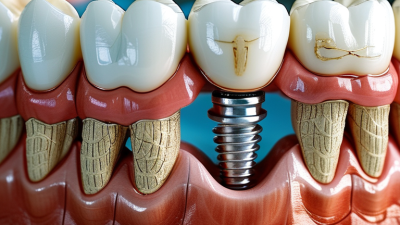
Bridges replace one or more missing teeth using neighboring teeth for support. Dental implants can provide stable replacement, but they require sufficient bone and careful surgical planning.

Removable partial or complete dentures remain practical when several teeth are missing. Veneers mainly improve visible tooth shape and color, although they cannot correct every functional problem.

No option is perfect.

Global buyers should compare material safety, manufacturing documentation, dentist experience, laboratory communication, and aftercare access. A low quotation may exclude scans, adjustments, shipping, or future maintenance.

Check whether the product meets destination-country requirements. Confirm expected service life, warranty terms, repair procedures, and emergency support before payment.

Digital scans may improve fit, but they do not replace clinical judgment. Shade matching also needs natural lighting, not only screen images.

In practice, timelines sometimes change because healing is unpredictable. That detail is easy to overlook.

A reliable decision balances oral health, durability, appearance, budget, and local follow-up.
Direct and Conservative Restorations: Fillings, Inlays, Onlays, and Veneers

Dental restoration decisions should begin with remaining tooth structure, not appearance alone.

For global buyers, direct fillings often suit small cavities and limited damage. They are placed inside the prepared tooth and shaped during one clinical visit. Composite materials can match natural enamel closely. However, moisture control affects bonding quality. A rushed procedure may reduce service life.

Inlays offer a conservative option when a cavity is too large for a filling.

They fit within the tooth’s cusps and provide accurate contact points. Onlays cover one or more cusps when chewing surfaces need stronger protection. They preserve more healthy tissue than a full crown in suitable cases.

Fit matters greatly. Even a small edge gap can trap food and irritate the gum.

Veneers address selected front-tooth concerns

including discoloration, minor shape changes, and small surface defects. They require careful bite analysis and minimal preparation whenever possible.

Buyers should request material specifications, preparation guidance, shade systems, and traceable quality records.

Clear clinical instructions support safer use across different markets.

Experienced dental teams still review each case individually. No restoration works perfectly for every patient. I would also question any supplier promising identical results without discussing anatomy, occlusion, and maintenance.

Fixed Restorations: Crowns, Bridges, and Dental Implants

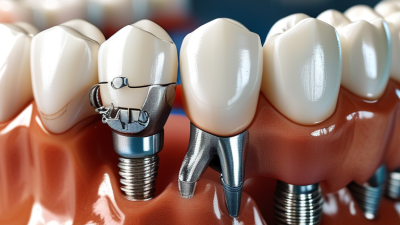
Fixed restorations remain central to modern dental rehabilitation. Crowns protect weakened teeth, while bridges replace missing units without removable components. Dental implants support single crowns or implant bridges when bone and general health permit. The WHO Global Oral Health Status Report 2022 estimates that oral diseases affect nearly 3.5 billion people worldwide. This burden creates strong demand, but treatment quality must remain the priority.

For global buyers, material selection deserves careful review. Zirconia offers high strength and a tooth-like appearance, while lithium disilicate suits many visible restorations. Metal-ceramic options can still perform reliably in demanding areas. Implant planning requires more than a product catalogue. Clinicians should assess bone volume, occlusion, periodontal status, and maintenance access. ITI consensus guidance reports implant survival above 90% over ten years in many controlled situations, yet outcomes vary with smoking, hygiene, loading, and follow-up. That difference matters. A perfect-looking case may still fail.

Tips: Request traceable material records, sterilization instructions, clinical evidence, and compatibility details. Confirm local regulatory requirements before purchasing. Ask for technical support, replacement parts, and clear warranty terms. Digital scans can improve crown and bridge workflows, but scanning errors remain possible. Human review is still necessary. Buyers should compare total treatment value, not only the unit price. WHO data highlights access problems, but lower cost alone cannot solve them. Some assumptions need testing.

Removable Restorations: Partial and Full Dentures

7 Best Dental Restoration Solutions for Global Buyers?

Removable Restorations: Partial and Full Dentures

Removable dentures remain practical solutions for patients missing several or all teeth. Partial dentures replace selected teeth while using nearby teeth for support. Full dentures restore an entire upper or lower arch. A proper fit should feel stable during speaking, chewing, and gentle smiling. It should not create sharp pressure points. Experienced dental teams usually assess bone structure, gum condition, bite alignment, and facial changes before fabrication. These details strongly influence comfort and appearance.

For global buyers, material documentation and manufacturing consistency deserve close attention. Ask for clear information about acrylic bases, artificial teeth, metal frameworks, cleaning guidance, and adjustment procedures. A licensed dentist should complete the clinical assessment and final fitting. Remote measurements alone can be unreliable. This is easy to underestimate. A denture may look accurate on a model but feel loose in the mouth. Regular follow-up also matters because gums and jawbone can change over time.

Tips: Request digital or physical quality records before purchase. Confirm the available shade and tooth-shape options. Check whether replacement parts and repairs are accessible in your market. Advise patients to remove dentures during sleep unless their dentist recommends otherwise. Clean them with a denture brush and suitable cleanser, not hot water. Hot water can distort the base. Encourage gradual wear, soft foods, and prompt professional review when soreness continues. Some users need several adjustments, and that is normal.

Comparing Materials, Providers, Costs, Certification, and Aftercare

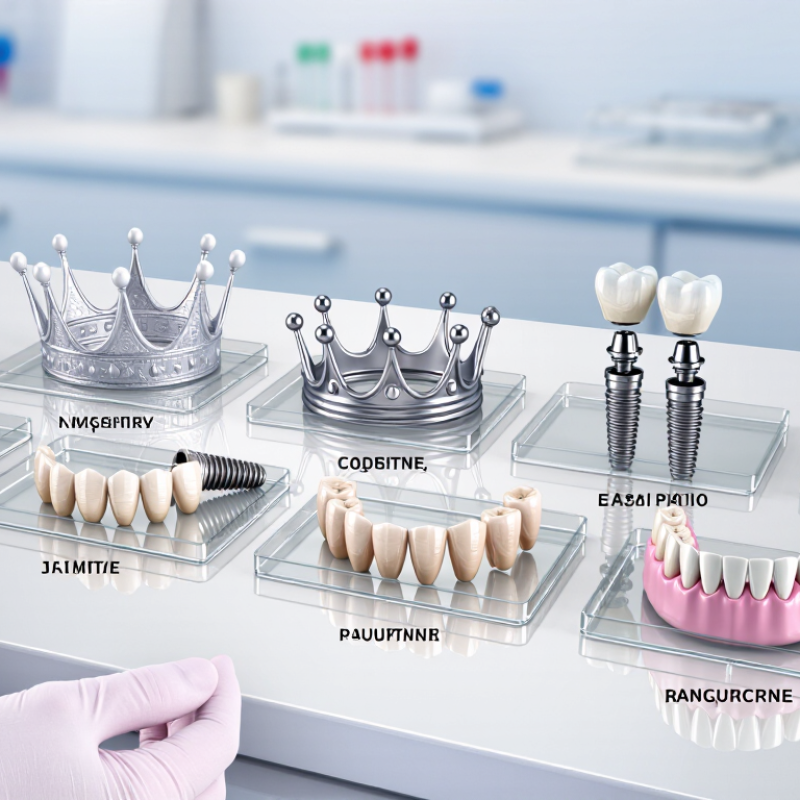
Global buyers often compare seven dental restoration solutions: composite fillings, ceramic inlays, onlays, veneers, crowns, implants, and removable partial dentures. Each option suits a different clinical problem. Composite fillings are affordable and conservative, but they may stain or wear faster. Ceramic inlays and onlays preserve more natural tooth structure. Veneers improve visible surfaces, yet they require careful enamel assessment. Crowns protect weakened teeth, while implants replace missing roots and need sufficient bone support. Removable partial dentures usually cost less, but comfort and stability can vary.

Material choice should follow diagnosis, bite pressure, allergies, appearance goals, and expected service life. Provider quality matters just as much. Buyers should review the dentist’s qualifications, laboratory controls, treatment planning process, and documented case results. A low price may exclude imaging, temporary restorations, adjustments, or travel-related care. Ask for an itemized quotation. Confirm what happens if the restoration fails.

Certification documents should be current, traceable, and relevant to the material or device. However, a certificate does not prove excellent clinical work. Verify manufacturing standards through official records, not screenshots alone. Aftercare should include written cleaning instructions, review appointments, repair terms, and emergency contact procedures. Implant patients may need longer monitoring. Crowns can require bite adjustments. Even experienced providers can misjudge expectations. That risk deserves honest discussion before payment. Good records, clear consent, and realistic maintenance planning make international treatment safer and easier to evaluate.