Choosing the best cosmetic dental restoration is rarely as simple as selecting the whitest smile. Each option solves a different problem, and each carries practical limits. Dental bonding can repair a small chip quickly, while porcelain veneers may create a more uniform appearance. Crowns can protect a severely damaged tooth, but they require more extensive preparation. Dental implants may replace missing teeth, although treatment can involve surgery, healing time, and several appointments.
The right decision begins with a careful examination, not a social media photograph. A dentist should assess enamel thickness, bite pressure, gum health, tooth color, and existing fillings. Your daily habits matter too. Someone who grinds their teeth may need a protective night guard before considering veneers. Someone with untreated gum disease may need periodontal care first.
There is no universal winner.
Experienced clinicians often compare durability, appearance, maintenance, cost, and reversibility. They should explain what may happen years later, including staining around restorations or possible repairs. Patients also deserve clear information about materials, laboratory quality, and expected results. These details can strongly influence the success of cosmetic dental restorations.
Still, even professional planning has uncertainty. Natural teeth vary, and digital previews cannot guarantee an identical final result. A realistic treatment plan should preserve healthy structure whenever possible. It should also respect your budget, comfort, and long-term oral health. This guide examines the main restoration types, their strengths, weaknesses, and situations where another choice may be wiser.
What Is the Best Type of Cosmetic Dental Restoration?
Cosmetic restorations improve tooth color, shape, strength, or missing teeth. The right choice depends on enamel, bite, gum health, budget, and long-term expectations.
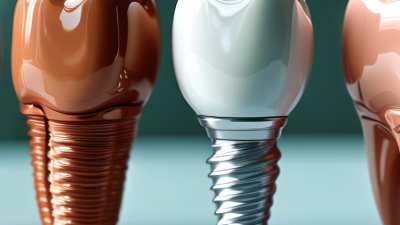
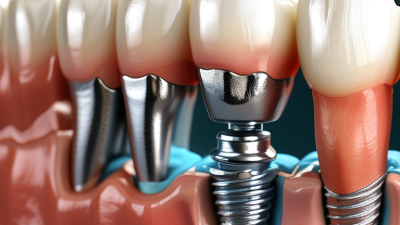
Direct composite is applied and shaped on the tooth during one visit. It can repair small chips, close minor gaps, and improve uneven edges. It usually removes little tooth structure, but it may stain or chip sooner than other options. Veneers are thin coverings placed over the front surface. They can create a consistent appearance when teeth are discolored, worn, or slightly misaligned. Healthy enamel matters. Veneers are not suitable for every bite. Crowns cover the entire visible tooth and provide more protection after severe damage, large fillings, or root canal treatment. However, they require more preparation. Implants replace missing tooth roots with a surgical fixture and a restoration above it. They can support natural chewing, but healing takes time and requires adequate bone and gum health.
Tips: Ask for an examination, photographs, and a clear treatment plan. Discuss maintenance, repair options, and how the restoration may age. A dentist should check grinding, bite pressure, and gum inflammation before treatment. Do not choose only by whiteness. It can look artificial. A slightly imperfect shape may appear more natural. The best restoration is not always the most expensive one. Reconsidering expectations is part of good care.
| Restoration type | Primary purpose | Common material | Tooth preparation | Typical treatment time | Approximate service life | Best suited for | Main limitations |
|---|---|---|---|---|---|---|---|
| Direct composite bonding | Minor cosmetic changes, such as repairing chips, closing small gaps, or reshaping teeth. | Tooth-colored resin composite applied directly to the tooth. | Usually minimal or no enamel removal; preparation depends on the case. | Often completed in one visit; complex cases may require more time. | Often about 3–10 years, depending on bite, diet, habits, and maintenance. | Small defects, mild discoloration, modest shape changes, and patients seeking a conservative option. | More likely to stain, chip, or wear than ceramic; large changes may be less predictable. |
| Porcelain or ceramic veneers | Improving the visible front surface of teeth affected by discoloration, shape irregularities, minor gaps, or mild wear. | Dental ceramic, commonly porcelain or another laboratory-made ceramic. | Usually requires some enamel reduction; preparation varies from minimal to more substantial. | Commonly requires two or more visits, including planning, preparation, and placement. | Often about 10–15 years or longer with good care; replacement may eventually be needed. | Healthy front teeth with adequate enamel and realistic esthetic goals. | Generally irreversible, may fracture or debond, and may be unsuitable with active decay or heavy grinding. |
| Dental crowns | Covering and strengthening a tooth that is weakened, heavily restored, cracked, or significantly damaged. | Ceramic, porcelain-fused-to-metal, metal alloy, or other approved restorative materials. | Requires reduction around the tooth to create space for the crown; the amount depends on the material and case. | Usually two or more visits unless an appropriate same-day workflow is available. | Often about 10–15 years; longevity varies with oral hygiene, bite forces, and remaining tooth structure. | Teeth requiring substantial structural protection, including some root-canal-treated teeth. | More invasive than veneers or bonding and may not be justified for a structurally healthy tooth with a minor cosmetic concern. |
| Dental implants with a crown | Replacing a missing tooth without preparing adjacent natural teeth for a conventional bridge. | A biocompatible implant fixture, an abutment, and a ceramic or other restorative crown. | The missing-tooth area is surgically prepared; adjacent teeth generally do not need to be reduced. | Several stages over approximately 3–12 months, depending on healing and whether grafting is required. | The implant can function for many years; the visible crown may require maintenance or replacement over time. | Adults with a missing tooth, adequate bone or a feasible grafting plan, and controlled oral health. | Requires surgery, healing time, sufficient bone and gum health, and careful long-term maintenance; it is not used to improve a healthy existing tooth. |
What Is the Best Type of Cosmetic Dental Restoration?
Composite resin is often chosen for small chips, gaps, and visible discoloration. It can be shaped directly on the tooth, usually in one appointment. The result may look natural because the dentist can layer different shades. Clinical reviews report approximately 80% composite survival at five years. This figure is useful, but it is not a promise for every patient.
Survival means the restoration remains functional, not that it looks unchanged. A front-tooth edge may still develop staining or a small fracture. Coffee, red wine, nail biting, and nighttime grinding can increase these risks. Location also matters. A composite filling on a heavy chewing surface faces more pressure than one on a front tooth. In practice, careful moisture control and a stable bite can influence the result significantly.
Ceramic restorations may offer stronger stain resistance and a polished surface, but they often require more tooth preparation. Composite treatment is typically easier to repair and may be less invasive. It can also need periodic polishing or replacement. The best option depends on tooth structure, bite forces, hygiene, expectations, and the dentist’s technique. I would question any treatment described as permanent. Even the 80% five-year estimate hides different study methods, patient habits, and follow-up periods. A thorough examination and photographs can make the decision more reliable.
What Is the Best Type of Cosmetic Dental Restoration?
Porcelain veneers often attract attention because they preserve much of the natural tooth structure. Their long-term performance deserves closer examination. A systematic review and meta-analysis in the Journal of Prosthetic Dentistry reported approximately 91% veneer survival at 10 years. In practical terms, about nine out of ten restorations remained functional after a decade.
Another clinical study reported a 93.5% survival rate over 10 years for porcelain laminate veneers. However, survival does not always mean perfection. A veneer may remain attached while showing small chips, marginal staining, or repairs. Definitions differ between studies, which makes direct comparisons imperfect. That limitation matters.
Patient habits can change the outlook. A person who clenches during sleep places repeated stress on the front teeth. Biting ice, opening packages, or using the teeth as tools adds risk. Moisture control, enamel preservation, bite analysis, and careful laboratory work also influence results. I have seen attractive restorations fail when treatment planning focused only on shade. That is an uncomfortable but important lesson.
The best restoration depends on tooth damage, enamel thickness, bite forces, hygiene, and expectations. A conservative veneer may suit a mostly intact tooth. A crown may offer better protection when substantial structure is missing, but it requires greater reduction. Professional guidance should include documented risks, maintenance needs, and realistic longevity estimates, not just photographs.
When choosing a cosmetic dental restoration, appearance matters, but longevity deserves equal attention. A crown’s 10-year survival commonly ranges from 80% to 90%. In practical terms, eight or nine out of ten crowns may remain functional after a decade. This is not a personal guarantee. Study results vary by tooth location, crown material, patient age, and follow-up time.
Back teeth face stronger chewing forces. Front teeth may experience less pressure, but visible edges demand careful shade matching. Daily habits also influence survival. Brushing twice daily, cleaning around the gumline, and using floss can reduce plaque-related problems. A night guard may help patients who clench or grind. Small cracks can begin quietly.
The supporting tooth remains critical. Decay beneath a crown, gum inflammation, or an inadequate bite can shorten its service life. Regular examinations help dentists detect loose margins, bleeding gums, or changing bite contacts. Six-month visits are common, though some patients need closer monitoring. “Permanent” is a misleading word here. A crown can last many years, yet it may eventually need repair or replacement. Dentists should discuss expected survival using clinical evidence and the patient’s actual habits, not appearance alone. The most attractive option is not always the most durable one.
Assessing 10-Year Crown Survival: Commonly Ranges from 80% to 90%
Published long-term clinical evidence shows that crown survival varies by material, patient factors, oral hygiene, tooth position, preparation design, and follow-up methods. The ranges shown are rounded estimates synthesized from clinical reviews rather than guarantees for an individual patient.
No single material is universally best: metal-ceramic crowns have extensive long-term evidence, while all-ceramic and zirconia-based restorations may offer strong esthetics with outcomes that depend heavily on case selection and clinical technique.
Select the Best Restoration by Tooth Damage, Function, Cost, and Longevity
The best cosmetic restoration depends on damage, function, cost, and expected longevity. Minor chips or discoloration may need enamel-preserving bonding or veneers. Veneers work best when healthy enamel remains. They are not ideal for heavily weakened teeth. Deep cracks, large fillings, or severe structural loss may require an onlay or crown. A missing tooth usually needs a bridge, denture, or implant-supported restoration. Looks matter, but chewing forces matter more.
Longevity evidence helps set realistic expectations. A systematic review by Pjetursson and colleagues in the Journal of Dentistry reported five-year survival near 95% for metal-ceramic crowns and about 93% for all-ceramic crowns. These are population averages, not guarantees. Grinding, poor hygiene, smoking, decay, and limited enamel can shorten service life. A beautiful restoration can still fail.
Cost comparisons also need context. The American Dental Association’s 2023 Survey of Dental Fees shows substantial regional and procedural price differences. Therefore, online prices can mislead patients. Ask for the total fee, preparation, laboratory work, follow-up, and possible replacement costs. A cheaper filling may require earlier repair. A crown may cost more initially but protect a fragile tooth. Still, crowns remove more tooth structure, and that trade-off deserves honest discussion. Sometimes, the conservative option is not the most dramatic one.