Sourcing patient specific restorations globally requires more than comparing prices and production times. It demands clinical judgment, supplier verification, and careful communication across borders. A restoration may begin with an intraoral scan in London, move through digital design in Singapore, and return as a finished crown or bridge. Every transfer must preserve accuracy, traceability, and patient privacy.
Experienced clinicians usually assess a laboratory’s materials, manufacturing controls, and communication process before placing an order. They request documented certifications, sample cases, technical specifications, and clear remake policies. They also confirm whether the supplier follows recognized quality systems and applicable medical-device requirements. A lower quotation means little if margins are poor or adjustments become frequent. Sometimes, the cheapest option becomes the slowest.
Reliable sourcing includes more than the restoration itself. Clinics should review shipping conditions, customs responsibilities, turnaround estimates, and support after delivery. Digital files must be encrypted, shared only with authorized partners, and handled according to relevant privacy rules. Written prescriptions should identify shade, preparation limits, occlusion, implant details, and clinical expectations. Small omissions can create large delays.
No sourcing plan is perfect. Unexpected remakes happen. Time zones complicate urgent decisions. Even experienced teams can overlook cultural or technical differences. A careful review process helps expose these weaknesses before they affect the patient. The strongest global partnerships are built through transparent evidence, consistent quality checks, and respectful professional communication. This approach supports safer, more predictable patient specific restorations while allowing clinicians to remain accountable for the final treatment outcome.

Patient-specific restorations are dental devices designed around one patient’s anatomy, function, and appearance. They may include crowns, bridges, implant-supported restorations, and facial prostheses. Unlike standard options, each restoration follows individual scans, clinical records, and treatment goals.
Their clinical value is highly specific. A digitally planned crown can follow the patient’s prepared margin and bite. An implant restoration can support speech, chewing, and soft-tissue contours.
A maxillofacial prosthesis may restore facial form after injury or surgery. Shade matching also matters, especially near the front teeth. Small changes in translucency can become obvious under daylight.
Not every case suits a fully digital workflow. That deserves honest discussion. Poor scans, limited opening, or unclear margins can create avoidable errors. Clinicians should review the design with trained technicians before production.
Global sourcing requires more than comparing prices. Teams should verify material documentation, manufacturing records, data protection practices, and delivery conditions. They also need a clear remake process when the fit is wrong.
A try-in appointment remains valuable, even with advanced software. The restoration should be checked clinically for contacts, occlusion, margins, comfort, and radiographic fit when appropriate. Patient-specific care is not simply customization. It is documented collaboration between the patient, clinician, and qualified production team.
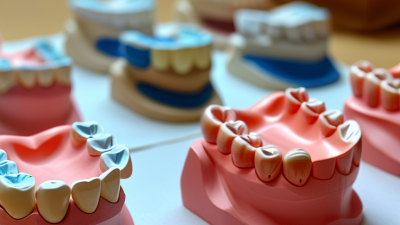
Sourcing patient-specific restorations globally requires more than comparing prices. A reliable supplier should show documented experience with complex anatomical cases and varied restoration materials. Ask for anonymized case records, production photographs, and measurable fit outcomes. Request details about scanning workflows, design software, milling, printing, finishing, and final inspection. Small gaps matter. A supplier may describe advanced equipment, yet outsource critical steps without clear disclosure. That uncertainty deserves careful questioning before clinical work begins.
Evaluate manufacturing capability through a controlled sample order, not a polished presentation. Send a standardized digital file and assess margin accuracy, contact points, occlusion, surface texture, and packaging. Record turnaround time from file acceptance to dispatch. Check how technicians handle unclear scans or unusual anatomy. Their questions can reveal more than sales material. A capable team documents revisions, identifies risks, and confirms approval checkpoints. Still, one successful sample does not prove stable performance across months.
Supplier verification also requires practical communication. Confirm licensing, quality-system certification, traceability, data protection, and shipping procedures in the destination market. Clarify who reviews prescriptions and who authorizes changes. Ask for escalation contacts and corrective-action records. Delays happen. The important issue is response quality. In practical evaluations, transparent suppliers admit capacity limits instead of promising every deadline. That honesty can protect treatment planning, although it may expose weaknesses that a rushed procurement team would rather ignore. Keep written records for every specification, approval, and revision.
How to Source Patient Specific Restorations Globally?
Preparing patient data securely is the first step in international restoration sourcing. A restoration cannot be better than the information behind it. Export only necessary files, such as an intraoral scan, approved photographs, and relevant clinical notes. Remove names, addresses, birth dates, and unnecessary metadata. Keep the treatment identifier separate from the patient identity.
The 2024 Cost of a Data Breach Report placed the global average breach cost at 4.88 million US dollars. The 2024 Data Breach Investigations Report also found human involvement in 68% of breaches. These figures make simple habits important. Use encrypted transfer, multi-factor authentication, role-based access, and automatic access logs. Confirm the recipient before sending. Check file hashes after transfer. A five-minute verification can prevent a costly remake or disclosure.
Consent must cover international processing, storage locations, retention periods, and possible laboratory access. Local privacy requirements may differ, so qualified legal review remains essential. De-identification reduces risk, but it does not remove re-identification risk. A scan can reveal more than expected when combined with photographs or clinical details. We sometimes collect too much. That deserves honest review. Delete outdated files according to a documented schedule, and record every transfer in a controlled data register. Secure collaboration is not only a technical task; it is a repeated clinical and operational discipline.
Sourcing patient-specific restorations globally begins with material and clinical compatibility. Zirconia offers high strength and stable esthetics, while lithium disilicate supports detailed shade matching and conservative preparation. Resin-based options can reduce cost, but require strict indications and validated curing. The WHO Global Oral Health Status Report (2022) estimates that 2 billion people have caries in permanent teeth. Demand is broad, yet clinical conditions differ sharply. One specification cannot fit every market.
Customization standards matter more than attractive samples. Require documented scans, margin visibility, occlusal design, and revision rules. ISO 13485:2016 supports controlled quality systems, while ISO 10993-1:2018 guides biological evaluation. The FDA’s technical guidance on additively manufactured medical devices also stresses process validation and traceability. The 2024 Wohlers Report identifies dental applications as a major additive-manufacturing segment, but automation does not guarantee consistency.
Costs usually reflect labor, remakes, shipping, certification, and currency exposure. Economy materials may appear 20–40% cheaper, then lose value through adjustments or remakes. Standard cases often ship within 5–10 working days; complex implant restorations may need 10–20. Cross-border logistics can add several days. These ranges are practical benchmarks, not promises. I have seen technically excellent files fail because the laboratory misunderstood the clinician’s finish-line preference. That weakness is uncomfortable, but important. Compare landed cost, not invoice price. Request sample cases, anonymized quality records, and a clear remake policy before scaling.
Sourcing patient-specific restorations across borders requires more than finding a capable laboratory. Quality assurance should begin with verified prescriptions, digital design approvals, material certificates, and documented technician checks. ISO 13485:2016 provides a useful quality-management framework for medical devices. However, certification alone does not prove that every restoration is clinically suitable. The final design still needs review by the responsible dental professional. Small errors matter. A 0.2-millimeter margin discrepancy can affect seating, occlusion, and patient comfort.
Regulatory compliance must follow the destination market. Custom-made devices may require specific declarations, technical files, labeling, and traceability records under applicable national rules. The World Health Organization reports that oral diseases affect nearly 3.5 billion people worldwide, increasing demand for accessible restorative care. Yet global demand can pressure teams into rushing approvals. That is risky. Each case should retain the prescription, material lot, production history, and corrective-action record. A shared checklist helps, but it is not a substitute for professional judgment.
Shipping needs equal discipline. Packaging should protect fragile margins, include moisture control when appropriate, and display clear handling instructions. A complete tracking trail should connect the case number, dispatch date, customs documents, and delivery confirmation. Delays can disrupt appointments and remakes. Follow-up should therefore include a receipt check, fit feedback, and documented resolution of defects. The International Organization for Standardization emphasizes risk-based control across production and delivery. In practice, the weakest link is often communication. Time-zone gaps, unclear responsibility, and incomplete scans still cause avoidable failures. Global sourcing works better when teams admit these gaps early.
| Sourcing Dimension | Key Global Checkpoint | Required Evidence or Data | Practical Benchmark | Primary Risk | Recommended Follow-Up |
|---|---|---|---|---|---|
| Patient Case Intake | Confirm that the prescription, intraoral scan, photographs, shade information, and design instructions are complete before production. | Case checklist, patient identifier, prescription approval, scan-quality review, and revision history. | 100% of cases pass completeness review before manufacturing release. | Incorrect anatomy, missing clinical information, or an avoidable remake. | Place incomplete cases on hold and obtain written clarification from the prescribing clinician. |
| Material Traceability | Verify that materials are suitable for the intended restoration and permitted in the destination market. | Material name and grade, lot or batch number, supplier certificate, safety information, and processing record. | Traceability from the finished restoration to the material lot and production record. | Use of an unsuitable, expired, or poorly documented material. | Request batch documentation and retain records according to the applicable legal and clinical requirements. |
| Design Approval | Use a documented approval step for digitally designed crowns, bridges, implant restorations, or removable appliances. | Time-stamped design file, approved preview, change log, and responsible reviewer. | No production release without documented clinical or authorized design approval. | Manufacturing the wrong tooth number, margin, occlusion, shade, or implant connection. | Require approval of every material design change before the case returns to production. |
| Quality Assurance | Inspect fit, finish, dimensions, contacts, occlusion, shade, and labeling against the prescription. | Inspection form, calibrated measurement equipment, photographs, nonconformance record, and release sign-off. | 100% final inspection for patient-specific devices before dispatch. | Clinical delivery failure, patient discomfort, or repeat shipping. | Trend remakes and nonconformities by restoration type, material, and production stage. |
| Regulatory Compliance | Determine the applicable rules in both the manufacturing country and the patient’s destination market. | Device classification, custom-made or patient-specific determination, manufacturer declaration, labeling, and import records. | Regulatory review completed before commercial shipment; requirements verified per destination. | Customs detention, non-compliant labeling, or unauthorized market placement. | Obtain written jurisdictional confirmation from a qualified regulatory professional before launch. |
| Data Protection | Transfer scans, photographs, prescriptions, and identifiers using secure and access-controlled systems. | Data-processing agreement, access log, encryption status, retention policy, and breach procedure. | Minimum necessary patient data shared; access limited to authorized personnel. | Unauthorized disclosure of protected health or personal data. | Use coded case identifiers and review cross-border data-transfer obligations before onboarding a supplier. |
| Production Lead Time | Separate design, approval, manufacturing, quality inspection, and transit time when setting expectations. | Timestamped workflow records, promised date, actual dispatch date, and exception reason. | Track on-time dispatch and median turnaround by product category rather than using one global average. | Missed appointments caused by unclear or unrealistic delivery commitments. | Review late cases weekly and classify delays as clinical, production, customs, carrier, or weather-related. |
| International Shipping | Select packaging and transport conditions that protect the restoration from impact, contamination, moisture, and temperature extremes. | Packaging specification, shipment tracking, commercial or pro forma documentation, customs classification, and chain-of-custody record. | Trackable delivery with documented packaging inspection and destination-specific customs information. | Damage, loss, customs delay, or incorrect declaration. | Use a documented shipping escalation path and maintain a replacement process for lost or damaged cases. |
| Receipt and Chairside Verification | Verify patient identifier, tooth or site, restoration type, material, shade, packaging integrity, and accompanying documentation. | Receipt checklist, delivery timestamp, photos of damage if present, and clinician acceptance record. | Receipt confirmed before the scheduled clinical appointment whenever practicable. | Wrong-case delivery or undetected shipping damage reaching the patient. | Quarantine discrepancies and notify the supplier before altering or fitting the restoration. |
| Follow-Up and Complaints | Capture fit issues, remakes, adjustments, adverse events, delivery problems, and patient or clinician feedback. | Complaint form, case identifier, photos, clinical assessment, corrective action, and closure date. | Acknowledge urgent quality complaints promptly and close investigations with documented root-cause analysis. | Repeated defects, delayed corrective action, or failure to report a safety issue. | Use monthly trend reviews and initiate corrective or preventive action when recurring patterns appear. |
| Supplier Performance Review | Evaluate quality, compliance, responsiveness, delivery reliability, and continuity of supply using the same scorecard. | On-time dispatch rate, remake rate, complaint rate, response time, audit findings, and corrective-action status. | Formal review at least quarterly, with risk-based audits for critical or high-volume suppliers. | Dependence on an underperforming supplier without an effective contingency plan. | Set measurable service levels and maintain an approved backup sourcing option where clinically feasible. |
| Operational note: Regulatory classification, documentation, import rules, data-protection obligations, and reporting duties vary by destination. Confirm the current requirements with the relevant authority or qualified professional before shipping patient-specific restorations. | |||||