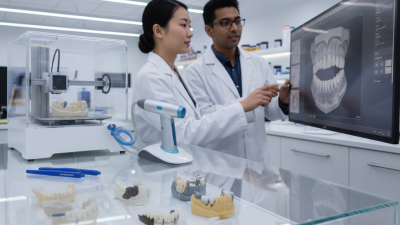
Dental care is becoming more connected, measurable, and difficult to coordinate. The World Health Organization’s Global Oral Health Status Report estimates that nearly 3.5 billion people live with oral diseases worldwide. This burden places pressure on clinics to manage referrals, treatment plans, imaging, consent records, and follow-up tasks without losing clinical context. That is where dental case management becomes practical, not merely technological.
Market research also signals sustained investment. Grand View Research has projected strong growth for the global dental software market through 2030, supported by cloud adoption, digital imaging, and practice automation. Fortune Business Insights similarly identifies integrated workflows and patient engagement as important market drivers. Estimates differ between reports. They are not perfect. Still, the direction is clear.
The leading suppliers now offer more than appointment scheduling. Their platforms may connect dentists, specialists, laboratories, insurers, and patients through shared case timelines. A coordinator can view an unfinished implant referral, a pending scan, and a missed patient message on one screen. That detail matters. Delays often hide inside ordinary tasks.
However, software quality depends on implementation, training, interoperability, and responsible data governance. A polished interface cannot repair weak clinical processes. Suppliers should therefore be assessed through demonstrated usability, security practices, integration capabilities, customer support, and evidence from real dental organizations. This overview examines top dental case management software suppliers worldwide, while recognizing that the best choice depends on practice size, specialty, regional requirements, and patient expectations. No universal winner exists.

Dental case management software is a digital system for organizing patient treatment from consultation to completion. It connects clinical notes, imaging, appointments, treatment plans, laboratory requests, and follow-up tasks in one controlled workspace. Unlike a simple scheduling tool, it shows the case journey and its next required action.
Its role is practical. A dentist can review a patient’s radiograph beside the proposed treatment plan, while staff track consent, referrals, payments, and laboratory deadlines. Clear status labels can reduce missed steps, especially when several clinicians share responsibility. Audit trails also support accountability by showing who changed a record and when. However, software does not replace clinical judgment. Poor data entry still creates poor decisions. That point is easy to underestimate.
Tips: Choose software with role-based access, reliable backups, and clear activity logs. Test the workflow with real cases before full deployment. Check whether staff can find a patient’s latest notes within seconds. Train the team on unusual cases, not only routine appointments. Ask how data can be exported if the system changes. In practice, setup is rarely perfect. Review the workflow after several weeks and correct confusing fields, duplicate tasks, or delayed alerts. A useful system should make careful work easier, not merely make the clinic look modern.

Dental case management software helps clinics coordinate treatment from consultation to follow-up. Its core features should support accurate records, clear communication, and predictable workflows. A unified patient profile can store images, notes, referrals, consent forms, and appointment history. This reduces repeated questions at the front desk.
Task tracking is equally important. Teams can assign consultations, treatment plans, laboratory requests, and follow-up calls to specific staff members. Status labels show whether a case is pending, active, delayed, or completed. Secure messaging keeps clinical and administrative discussions connected. Automated reminders may reduce missed appointments, but they still need human review. Software cannot understand every patient’s concern.
Tips: Choose tools with role-based access, audit trails, encrypted data, and reliable backups. Test the workflow with real cases before full adoption. Ask whether staff can correct mistakes without losing the original record. Reporting tools should show treatment acceptance, case delays, referral sources, and outstanding tasks. These details help managers find bottlenecks instead of relying on memory. Integration with imaging, scheduling, billing, and laboratory systems can save time. However, integration often requires configuration and staff training. A polished interface is useful, but practical support matters more. Clinics should review permissions regularly and document escalation procedures for urgent clinical questions. Small gaps may remain, especially during busy periods. Clear ownership helps prevent those gaps from becoming patient-facing problems.
| Core Feature | Primary Purpose | Typical Data Managed | Key Users | Workflow Stage | Common Implementation Level |
|---|---|---|---|---|---|
| Patient and Case Registration | Creates a unique patient profile and links every case, appointment, document, and transaction to that record. | Patient identity, contact details, medical history, referring provider, case number, consent status | Front desk teams, practice managers, clinicians | Case creation and intake | Standard |
| Digital Patient Intake | Collects patient information electronically before or during the visit and reduces manual data entry. | Health questionnaires, dental history, medication lists, allergies, insurance details, electronic signatures | Patients, reception staff, dental assistants | Pre-visit preparation | Standard |
| Clinical Charting and Odontograms | Records tooth-level findings, diagnoses, procedures, periodontal observations, and treatment progress. | Tooth numbers, surfaces, conditions, clinical notes, chart history, procedure records | Dentists, hygienists, dental assistants | Assessment and treatment delivery | Standard |
| Treatment Planning | Builds, sequences, updates, and presents proposed treatment plans for clinical and financial review. | Proposed procedures, treatment phases, priority, estimated fees, alternatives, acceptance status | Dentists, treatment coordinators, patients | Diagnosis to case acceptance | Standard |
| Imaging and Document Management | Stores and associates diagnostic images and documents with the correct patient and case. | Intraoral images, radiographs, scans, photographs, referrals, laboratory prescriptions, consent forms | Clinicians, imaging staff, case coordinators | Diagnosis, planning, and follow-up | Standard |
| Appointment and Chair Scheduling | Coordinates patient visits, provider availability, rooms, equipment, and procedure duration. | Appointment type, duration, provider, operatory, status, reminders, rescheduling history | Schedulers, front desk teams, practice managers | Booking and treatment execution | Standard |
| Laboratory Case Tracking | Tracks cases sent to an external or in-house dental laboratory from prescription through delivery and fitting. | Laboratory prescription, restoration type, shade, materials, due date, dispatch date, remake status | Dentists, laboratory coordinators, dental technicians | Manufacturing and delivery | Common |
| Digital Workflow and Case Statuses | Provides a controlled sequence of tasks and status changes so teams can identify the next required action. | Case owner, task list, approval status, pending items, deadlines, completion timestamps | Case coordinators, clinicians, practice managers | End-to-end case coordination | Common |
| Patient Communication | Supports reminders, confirmations, follow-up messages, and case-related communication through approved channels. | Message templates, delivery status, appointment reminders, follow-up tasks, communication history | Front desk teams, treatment coordinators, patients | Engagement and retention | Standard |
| Consent and E-Signature Management | Documents patient authorization for treatment, image use, financial terms, and data processing where required. | Consent forms, signature records, signer identity, timestamps, version history, withdrawal records | Patients, clinicians, compliance administrators | Before treatment and during care changes | Common |
| Billing and Payment Coordination | Connects completed procedures and accepted treatment plans with charges, payments, balances, and financial workflows. | Procedure fees, invoices, payment records, adjustments, refunds, outstanding balances | Billing teams, practice managers, patients | Case acceptance and revenue cycle | Standard |
| Insurance and Claim Support | Organizes coverage information and supports the preparation, submission, and tracking of dental claims. | Policy details, eligibility information, procedure codes, claim status, attachments, remittance data | Billing specialists, practice managers | Pre-treatment estimates and reimbursement | Common |
| Referral Management | Maintains referral relationships and tracks information exchanged between general dentists, specialists, and laboratories. | Referrer details, referral reason, clinical documents, referral date, response status, return communication | Referral coordinators, dentists, specialist practices | Case initiation and handoff | Common |
| Inventory and Material Tracking | Monitors materials and consumables used in procedures or assigned to specific cases. | Material type, lot number, expiry date, quantity, supplier record, case allocation | Dental assistants, procurement teams, practice managers | Preparation and treatment delivery | Specialized |
| Analytics and Operational Reporting | Measures case volume, acceptance, completion, turnaround time, production, and workflow bottlenecks. | Case status, conversion rate, procedure volume, lead time, cancellation rate, revenue indicators | Practice owners, managers, clinical leads | Performance monitoring and improvement | Standard |
| Role-Based Access and Audit Trails | Restricts access according to job responsibilities and records significant activity on patient and case data. | User roles, permissions, login events, record changes, access history, export activity | Administrators, compliance teams, practice managers | Continuous governance | Standard |
| Interoperability and Data Exchange | Allows approved clinical, administrative, imaging, laboratory, and financial systems to exchange structured information. | Patient demographics, clinical records, images, orders, results, claims, appointment data | IT teams, practice administrators, external service providers | Cross-system workflow | Common |
| Backup, Privacy, and Security Controls | Protects sensitive patient information through controlled access, secure storage, recovery procedures, and privacy processes. | Backup schedules, retention rules, encryption settings, incident records, data-access requests | System administrators, compliance officers, practice owners | Continuous information protection | Standard |
Selecting a global dental case management supplier requires more than a polished demonstration. The World Health Organization’s Global Oral Health Status Report (2022) estimates that oral diseases affect nearly 3.5 billion people worldwide. That scale demands reliable workflows, not decorative dashboards. Evaluate case intake, referral tracking, imaging links, consent records, and multilingual communication. Ask suppliers to demonstrate these tasks through a realistic patient journey. Test the workflow.
Tips: Request independent security testing, encryption details, role-based access, recovery targets, and complete audit logs. The 2024 Cost of a Data Breach Report places healthcare’s average breach cost at 9.77 million dollars. Regional hosting and data-transfer terms also need careful legal review. A supplier serving many countries may still lack local support. That detail is easy to miss.
Compare uptime evidence, integration standards, training hours, and response times before signing. Data portability deserves practical testing: export one complete case, including notes, attachments, and timestamps. In our experience, suppliers often promise easy migration, but mapping old records can become slow and expensive. Ask for a sandbox, customer references from similar clinics, and a written implementation schedule. Pricing should show storage, users, interfaces, upgrades, and support separately. A low initial quote can hide operational costs.
Dental case management software suppliers are strengthening their positions through specialization, regional coverage, and reliable clinical workflows. Grand View Research estimates that the global dental software market will expand at a double-digit annual rate through 2030. Market estimates vary, however, because analysts define “dental software” differently. That gap deserves attention.
Cloud-native suppliers lead in accessibility. Their systems support appointment queues, digital forms, treatment plans, imaging records, and patient communication from one dashboard. This model suits multi-location practices with uneven staffing.
Suppliers with strong interoperability also perform well, especially where clinics connect imaging devices, accounting tools, and electronic health records. The Office of the National Coordinator for Health Information Technology continues to emphasize data exchange standards, making integration a practical strength, not a technical luxury.
Regional suppliers often compete through localization. They adapt billing rules, language settings, consent workflows, and data-hosting requirements. Global suppliers usually offer broader analytics, stronger security teams, and larger implementation networks. Their weakness can be slower support. A 2024 MarketsandMarkets analysis also identifies cloud deployment and practice automation as major growth drivers. Yet automation needs clinical oversight. A missed allergy note or duplicated case record can damage trust quickly. The World Health Organization reports that nearly 3.5 billion people live with oral diseases, expanding the need for scalable management tools. Market strength should therefore be judged by uptime, training quality, audit trails, and measurable case completion rates—not by feature counts alone.
Choosing dental case management software suppliers worldwide requires more than comparing feature lists. Implementation should begin with a clear map of daily workflows, from patient intake to treatment approval and follow-up. Staff should test the system in a sandbox using realistic cases. A staged rollout can expose problems before every clinic depends on the platform. Small pilots matter.
Migration also needs careful ownership. Duplicate patient records, incomplete notes, and inconsistent tooth numbering can create costly confusion. A named data lead should verify samples before full transfer. Training should include front-desk staff, clinicians, and billing teams. One short webinar is rarely enough. Adoption often takes longer than planned, and that should be measured honestly.
Security must be examined during supplier evaluation, not after deployment. Look for encryption in transit and at rest, multi-factor authentication, role-based permissions, detailed audit logs, and tested backups. Ask where data is stored and how access is removed when employees leave. Incident response procedures should be documented and rehearsed.
Integration deserves equal attention. Reliable application programming interfaces can connect scheduling, imaging, accounting, laboratory, and communication tools. Standards-based exchange reduces manual entry, but “compatible” does not always mean seamless. Test failed connections, delayed updates, and mismatched patient identifiers. A weekly reconciliation report may reveal errors that polished demonstrations hide.